Welcome to
Biomedical Engineering
95%
Of Ph.D. Students are Fully Funded
$77k+
Average Starting Salary for BME Undergraduates
65%
Of Undergraduate Students Participate in Research
Extraordinary People
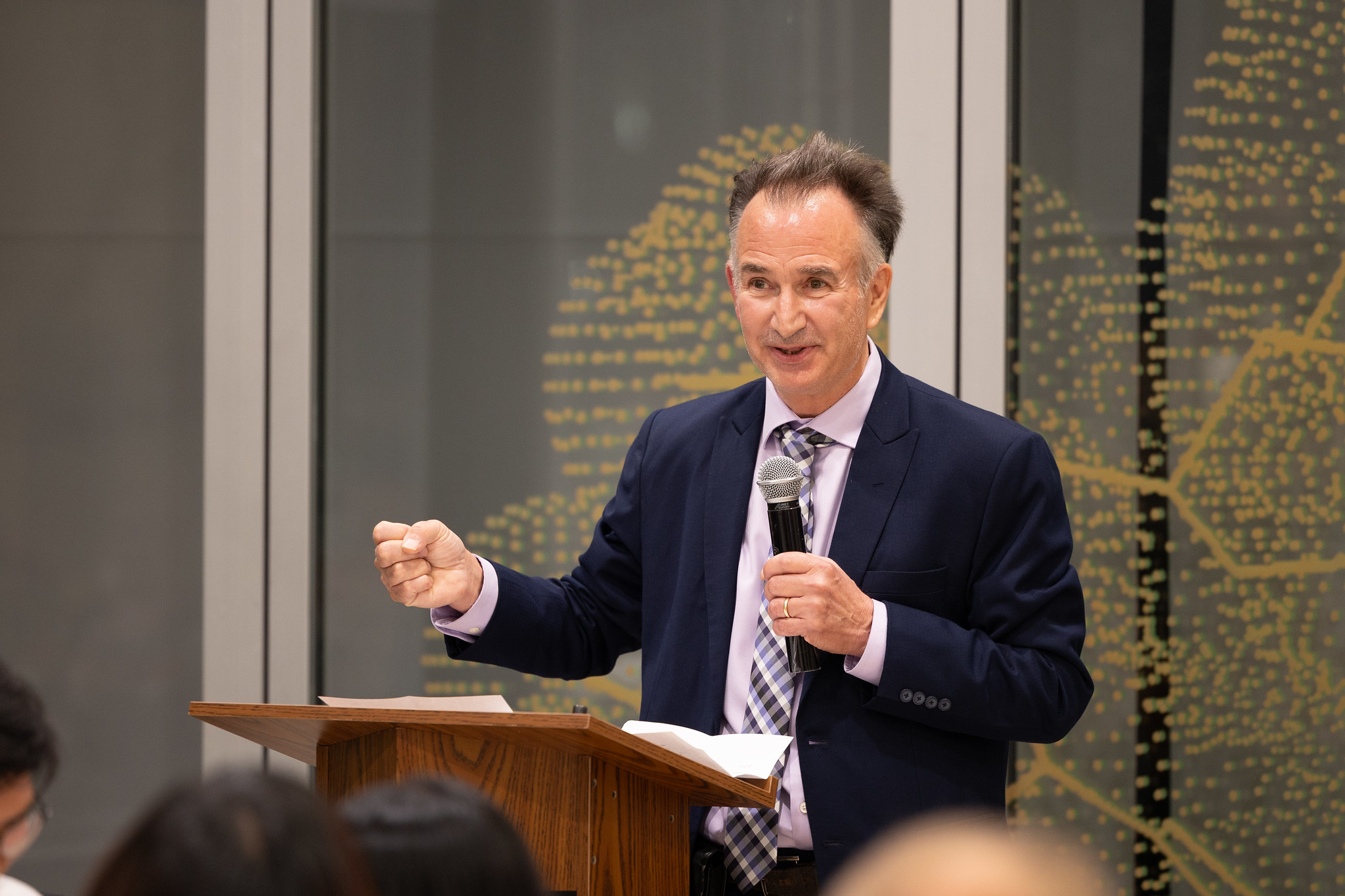
Our faculty and researchers are internationally recognized, award-winning contributors to the biomedical field. Their achievements have been honored by the National Academy of Engineering, National Academy of Medicine, National Academy of Inventors and many other prestigious organizations. They routinely receive funding and further discovery in areas such as cancer treatment, drug delivery, computational modeling, immunology, imaging and instrumentation technologies and fundamental science.
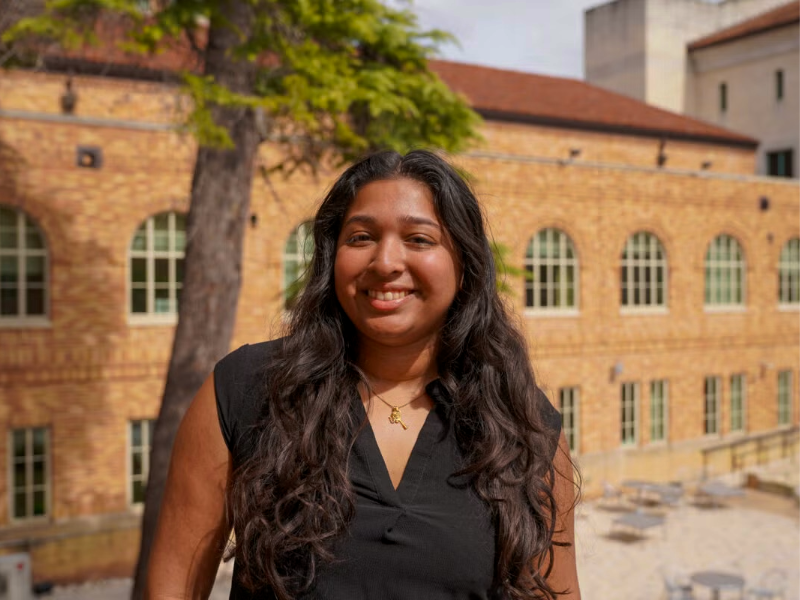
Texas BME students are passionate, driven and delight in exploring what's possible in the field of biomedical engineering and beyond.
MEET OUR LEADERS >>
World Class Opportunities
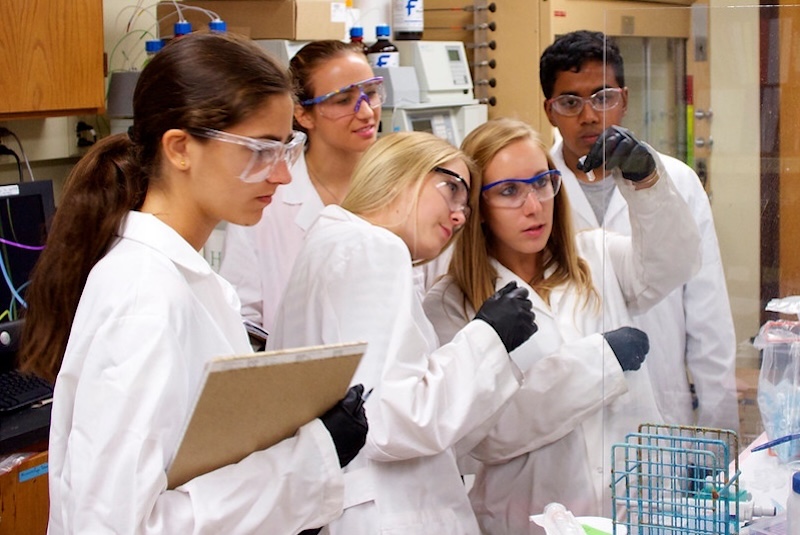
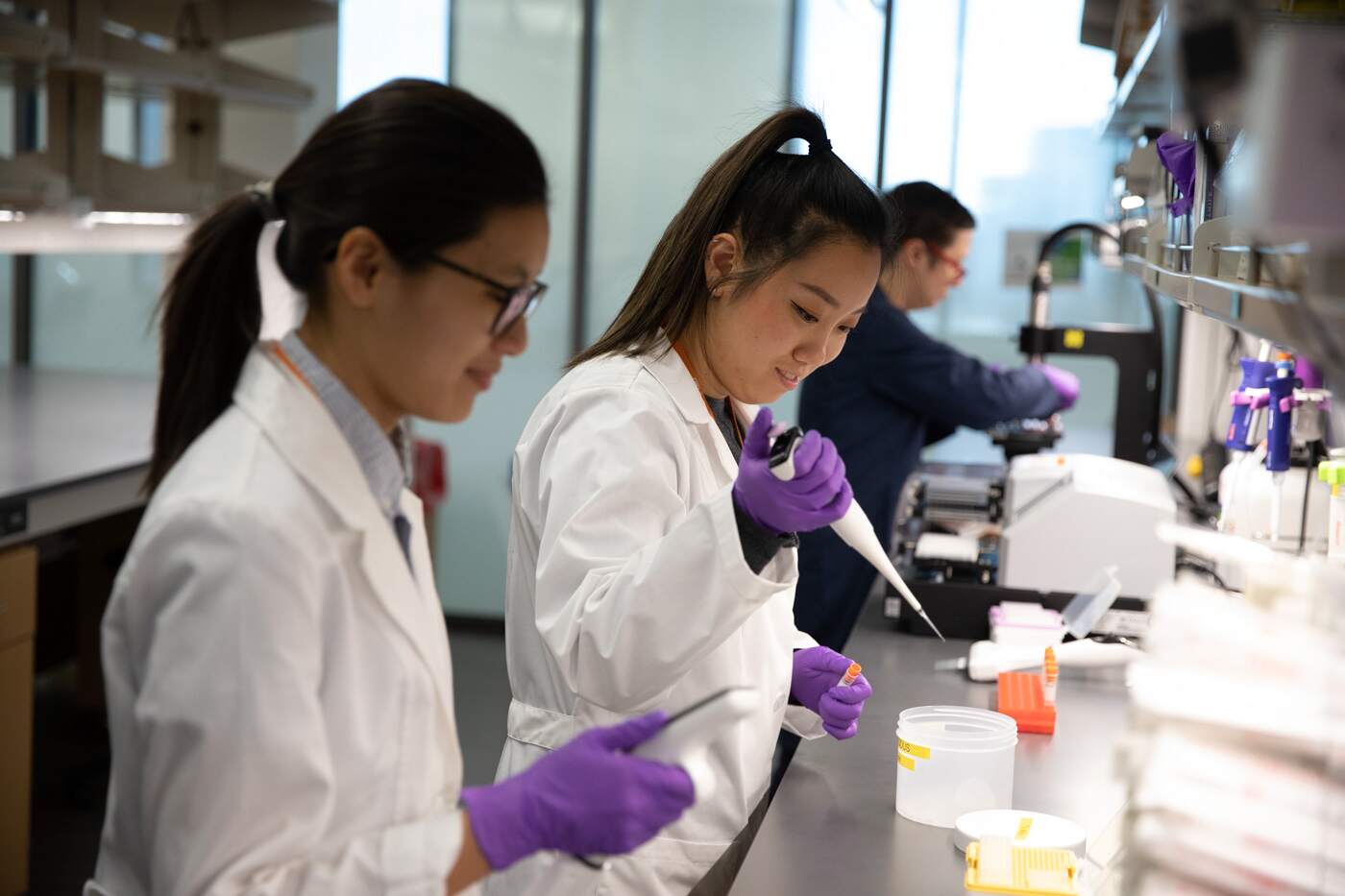
At the undergraduate level, our student population participates in research and robust study abroad programs. At the graduate level, students lead research in some of the world’s premier labs, with numerous opportunities to develop through industry interactions, conferences and seminars.
SEE OUR RESEARCH >>
Facilities and Partnerships
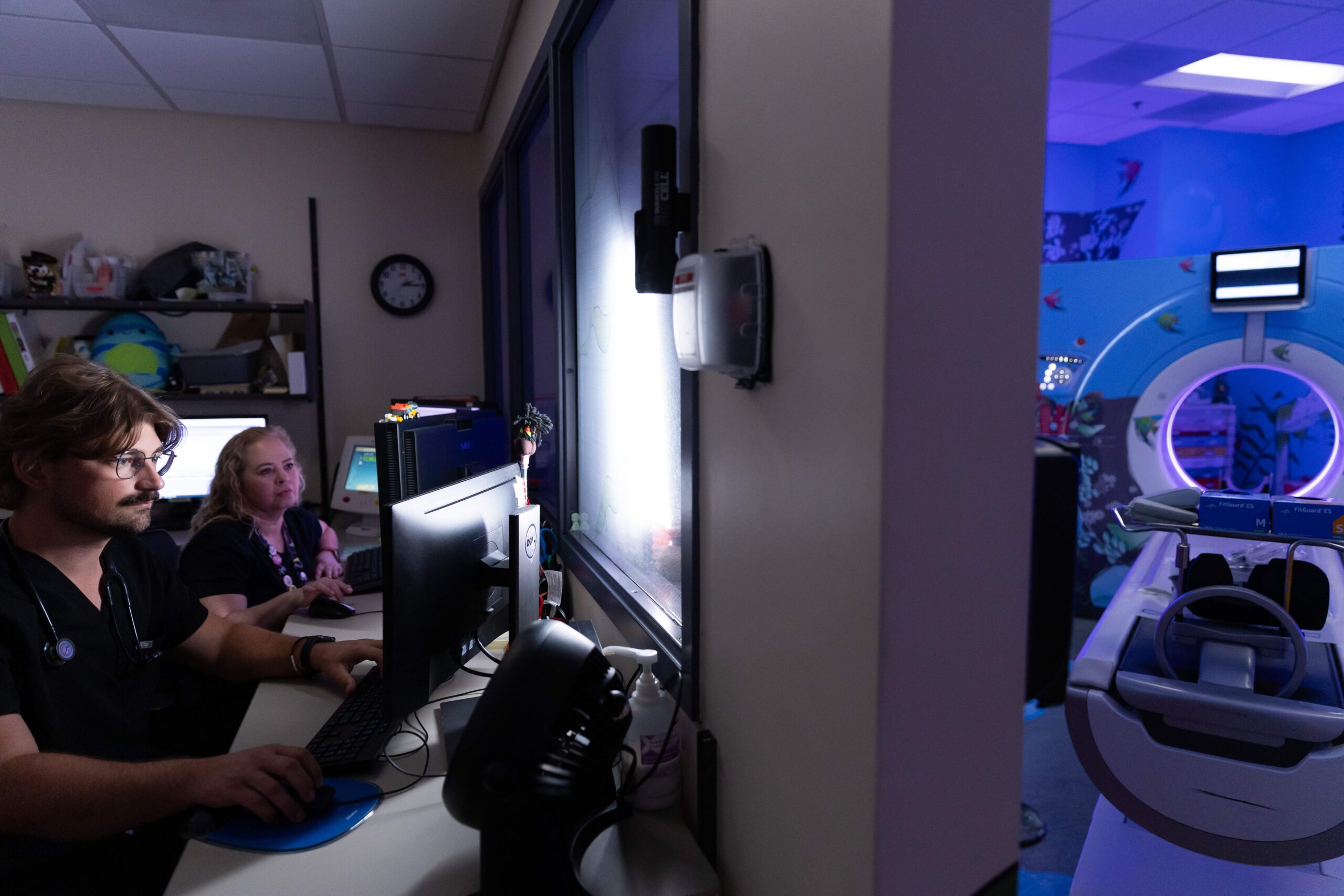
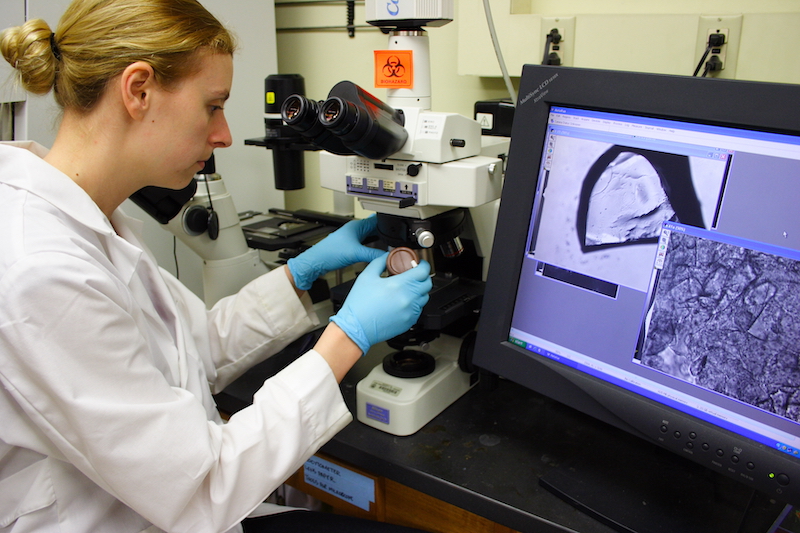
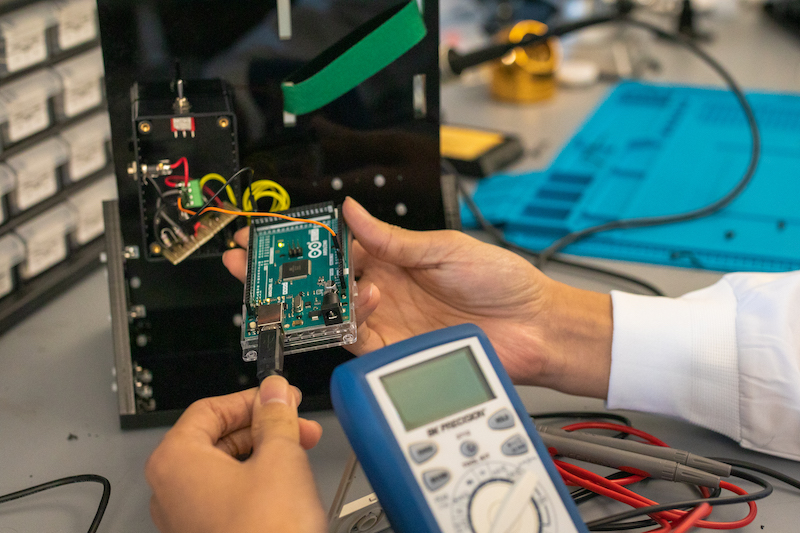
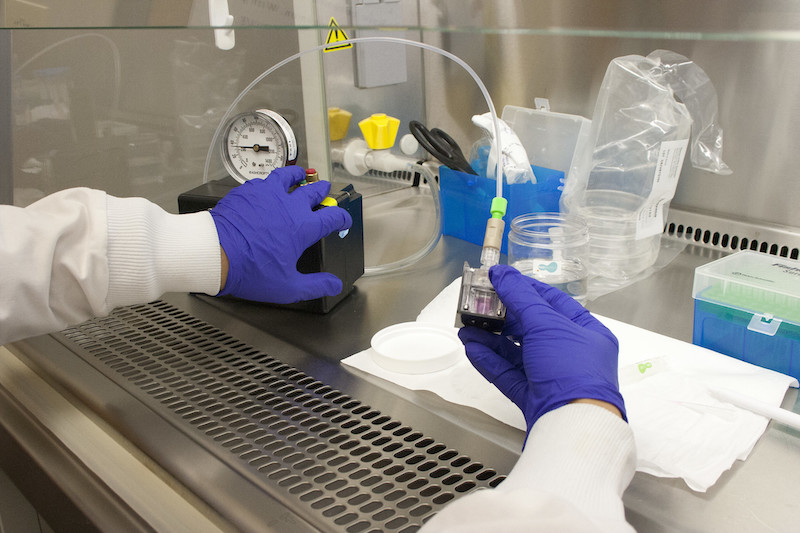
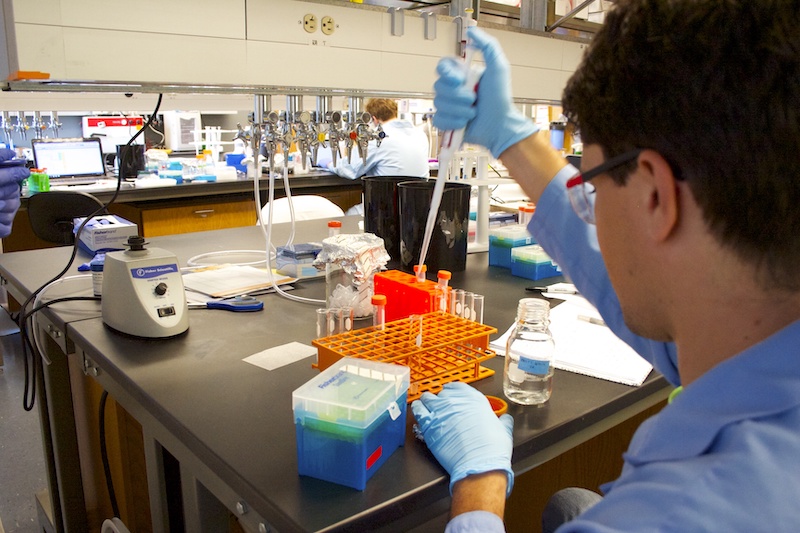
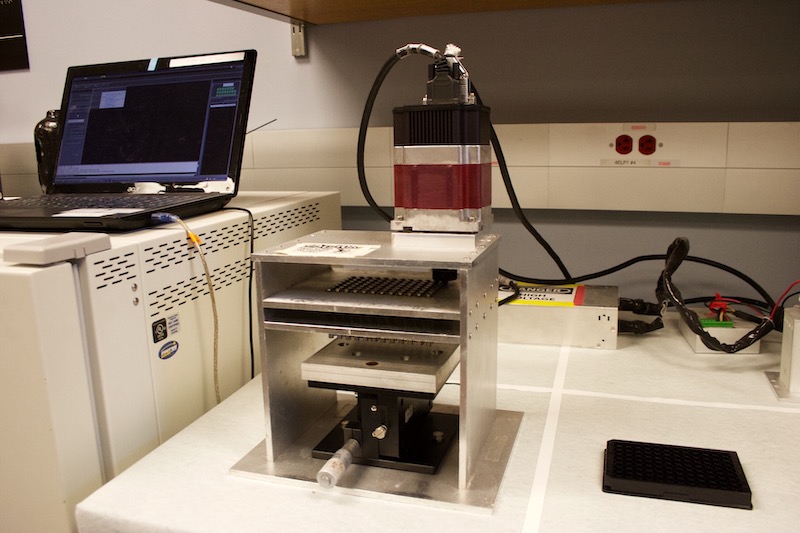
Our state-of-the-art facilities provide students with the latest in lab equipment and technology ideal for hands-on learning, both in the Biomedical Engineering Building, which opened in 2008, and other Cockrell School of Engineering facilities, including our own engineering makerspace, Texas Inventionworks. Beyond the Cockrell School, students also have opportunities to partner with faculty and physicians at the Dell Medical School and across The University of Texas at Austin.
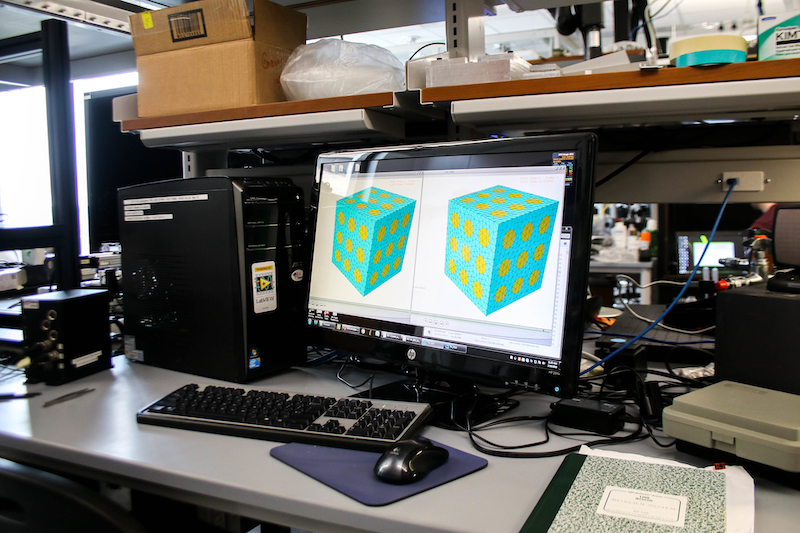
Students and researchers have access to powerful computing facilities, including UT Austin’s Texas Advanced Computing Center, home to one of the most powerful supercomputers in the U.S.
EXPLORE OUR FACILITIES >>
Life in Austin
Ranked on numerous best-city lists, Austin isn't just one of the best places to live in the U.S., it's a major tech industry hub, fostering innovation and creativity. The vibrant capital city of Texas offers year-round sunny weather and plenty of culture, community, live music and outdoor recreation. Life in Austin offers opportunities and fun for all of the UT Austin community, both inside and outside of the lab.
EXPERIENCE AUSTIN >>

From our beginning as a fledgling program within other engineering departments at The University of Texas at Austin to becoming our own nationally-recognized department in our own right, the history of the Department of Biomedical Engineering continues.
50 Years of Biomedical Engineering at UT Austin
1960s
- March 31, 1966 - Dean John McKetta sends a memorandum asking a faculty committee consisting of E.A. “Rip” Ripperger (Department of Aerospace Engineering), Ernest Gloyna (Dean Emeritus, Department of Civil, Architectural, and Environmental Engineering), Kenneth Bischoff (Department of Chemical Engineering), and a few others to start the program.
- June 7, 1966 - Rip Ripperger becomes the first chair of the BME Program Committee.
- August 1966 - A set of graduate courses is selected, and the first students are enrolled in Electrical and Computer Engineering with a “Biomedical Engineering emphasis.”
- August 1968 - UT Austin receives its first National Institute of Health grant, awarded to Rip Ripperger.
- July 1968 - Thomas Runge requests that the St. David Hospital administration establish collaboration between the hospital and the “Bio-mechanical Department.”
- August 1968 - Fred Vogt becomes the second Chair of the BME Program Committee.
- September 1968 - AJ Welch, who arrived at UT Austin in 1964, becomes associated with the program.
1970s
- August 1970 - An official application is submitted by the BME Program Committee to the Graduate School, Faculty and Board of Regents for the establishment of the M.S. and Ph.D. degrees in BME.
- August 1971 - Bob Popovich is hired from the University of Washington at Seattle as the first professor of biomedical engineering with an appointment in chemical engineering.
- August 1972 - Ken Diller is hired from MIT as the second professor of biomedical engineering with an appointment in mechanical engineering.
- May 1973 - The request for independent M.S. and Ph.D. degrees in BME is approved.
- August 1976 - Lee Baker is hired from Baylor College of Medicine as the first permanent director of the BME Program.
2000s
- 2001 - The University of Texas at Austin establishes the Department of Biomedical Engineering, so that it can offer undergraduate degrees.
- August 2002 - The department admits its first undergraduate class.
- May 2006 - The BIomedical Engineering Department graduates its first baccalaureate class.
- 2008 - Construction is completed on the Biomedical Engineering Building.
2010s
- 2016 - 50th anniversary of the formation of the Biomedical Engineering graduate program and 10th anniversary of the first graduating class of undergraduates.
This video, made by UT Austin students in 1978, captures the early days of biomedical engineering.
Staff Directory Article Count: 3
Upcoming Events
Thursday, January 15
Dr. Jeffrey Siewerdsen, Professor at the University of Texas MD Anderson Cancer Center,
3:30PM - 5:30PM
News
UT Professor Michael Sacks Named Recipient of the 2026 H.R. Lissner Medal for Contributions to Heart Valve Simulations
Oden Institute | Professor Michael Sacks, a biomedical engineering faculty member at The University of Texas at Austin, has been awarded the 2026 ASME H.R. Lissner Medal in recognition of his “pioneering contributions to heart valve biomechanics utilizing highly innovative computer simulations.”
Three New Cancer Projects Receive Funding in Joint Collaboration Between Oden Institute, MD Anderson and TACC
Oden Institute | The University of Texas MD Anderson Cancer Center, the Oden Institute for Computational Engineering and Sciences, and the Texas Advanced Computing Center (TACC) at The University of Texas at Austin have announced funding for three cancer research projects as part of the Joint Center for Computational Oncology (JCCO).
Heart Rhythm Treatment Gets Breakthrough FDA Designation
Cockrell School of Engineering | A startup co-founded by Texas Engineer Elizabeth Cosgriff-Hernández is one step closer to bringing a new medical device to cardiac clinicians and patients worldwide.
Research Areas
-
Biomaterials
A wide range of fundamental Biomaterials approaches is actively explored for regenerative and...
-
Biosensors and Instrumentation
The development of advanced biosensors and Instrumentation is a focal point for several of our...
-
Cell and Tissue Engineering
The University of Texas at Austin Department of Biomedical Engineering is a hub of pioneering...
-
Computational Biomedical Engineering
Computational Biomedical Engineering harnesses the world-class computational facilities at UT...
-
Drug Discovery and Delivery
Integrating engineering principles with biomedicine, our faculty specialize in developing...
-
Imaging and Image-Guided Interventions
The field of biomedical imaging employs physics, mathematics, computational science, and...
-
Multiscale Biophysics and Biomechanics
While helping patients is the ultimate goal of biomedical engineering, faculty in our department...
-
Neuroengineering
Neuroengineering is a growing area that develops methods to improve neurological health and...
Spotlights
Discover what's happening at Texas BME