Welcome to
Biomedical Engineering
95%
Of Ph.D. Students are Fully Funded
$77k+
Average Starting Salary for BME Undergraduates
65%
Of Undergraduate Students Participate in Research
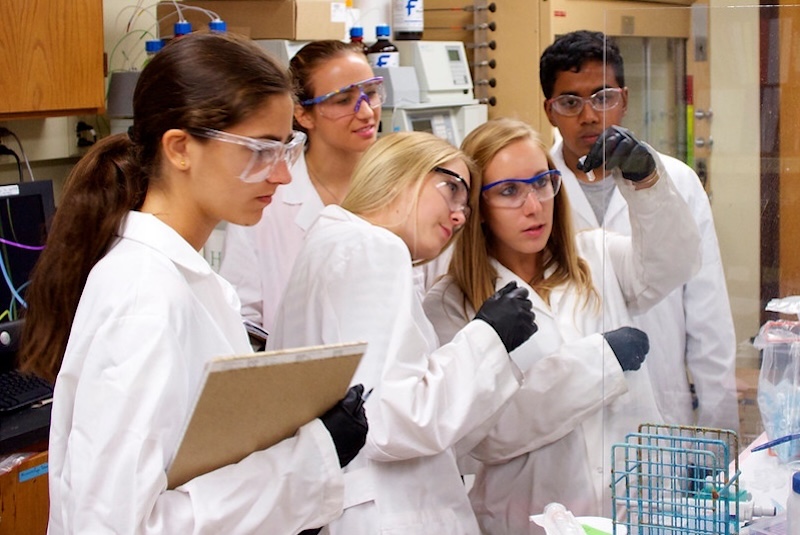
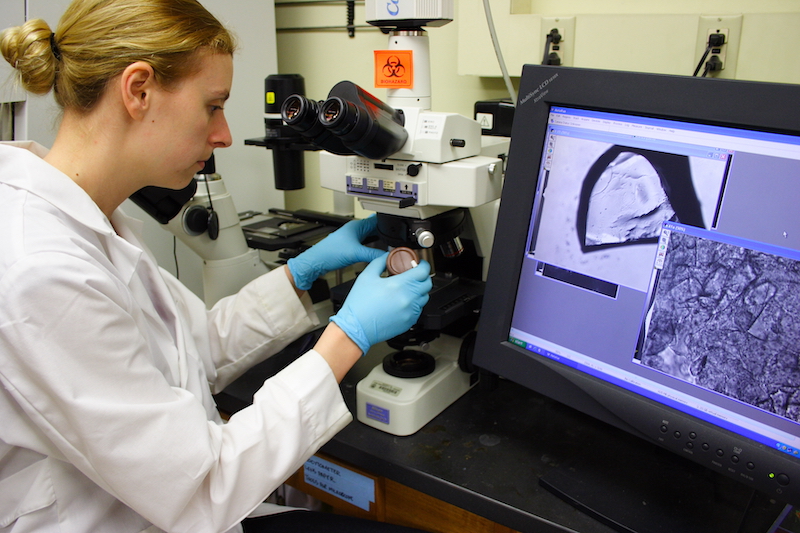
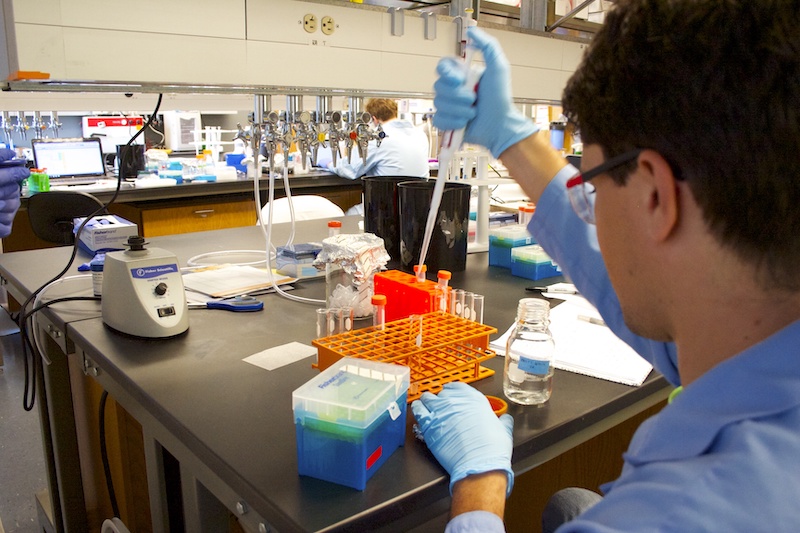
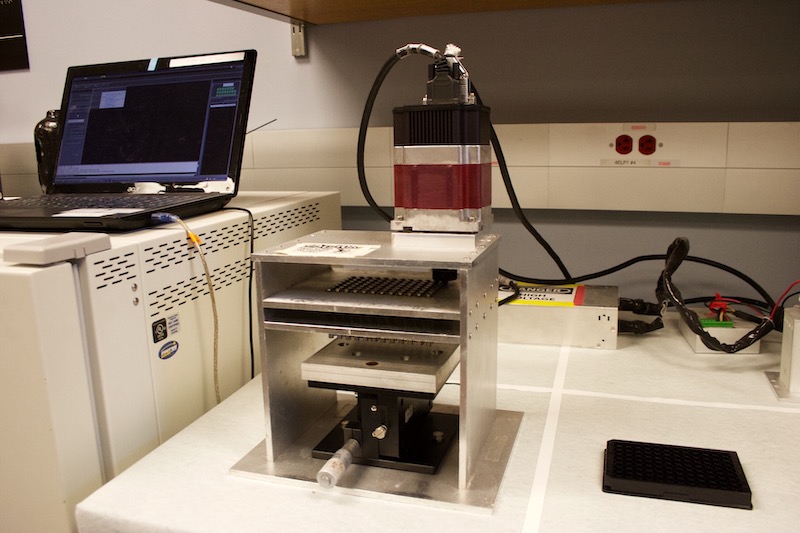
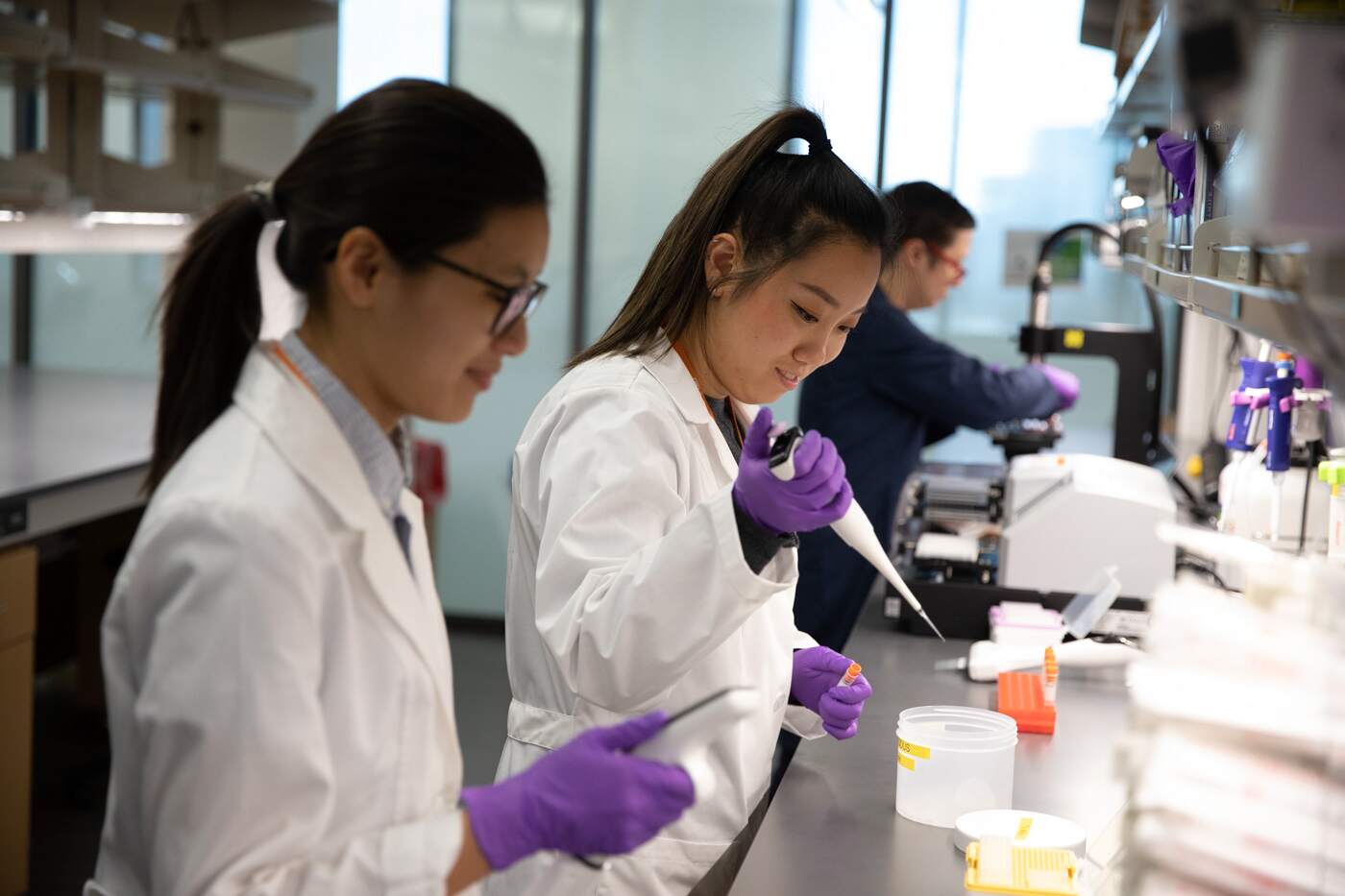
Our state-of-the-art facilities provide students with the latest in lab equipment and technology ideal for hands-on learning, both in the Biomedical Engineering Building, which opened in 2008, and the newly constructed Engineering Education and Research Center (EERC). Students also have opportunities to partner with faculty and physicians at the Dell Medical School and across The University of Texas at Austin.
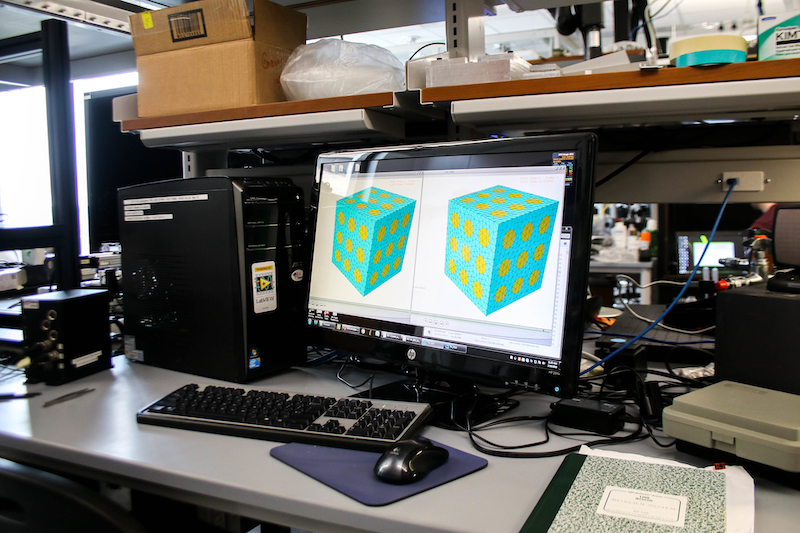
Our research is powered by world class computing facilities, including UT Austin’s Texas Advanced Computing Center, home to one of the most powerful supercomputers in the U.S.
About the BME Building
A combination of labs, study spaces and research facilities make up the building many BME students call home on campus.
Building Highlights:
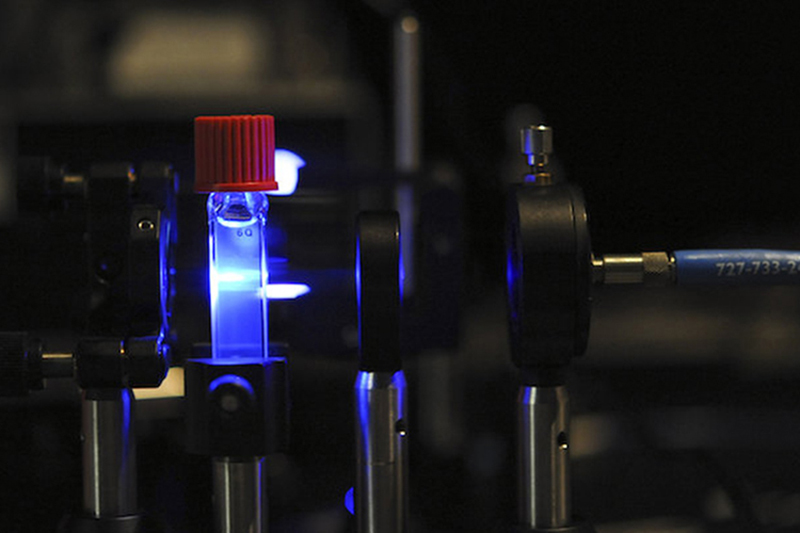
- Nine optics labs with two stories underground to minimize effects of vibration
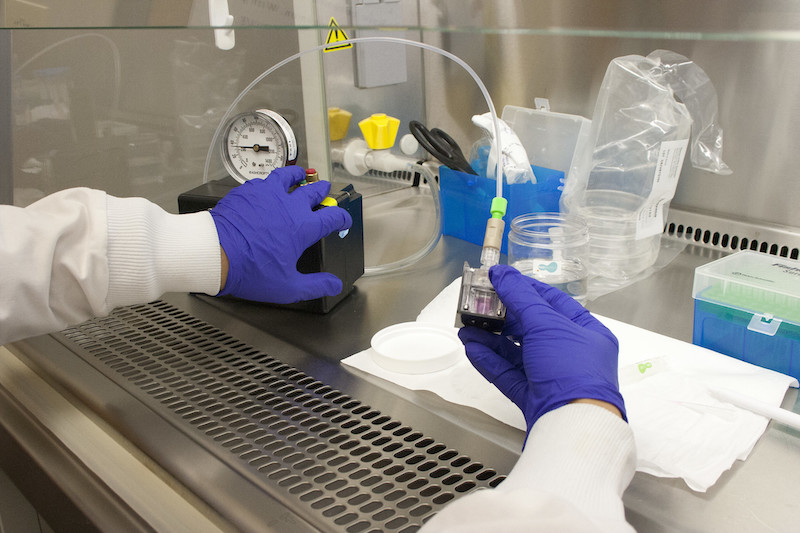
- Eight tissue-culture rooms
- A dozen wet labs and several dry labs
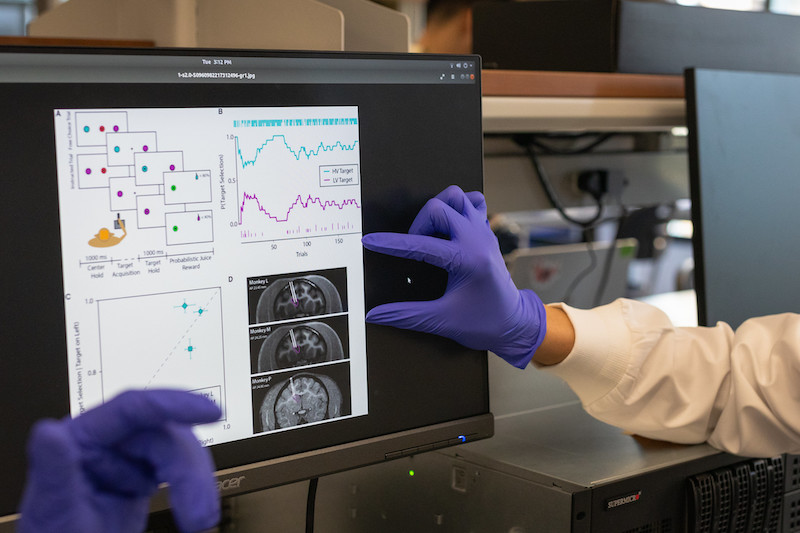
- Three computational labs for medical research
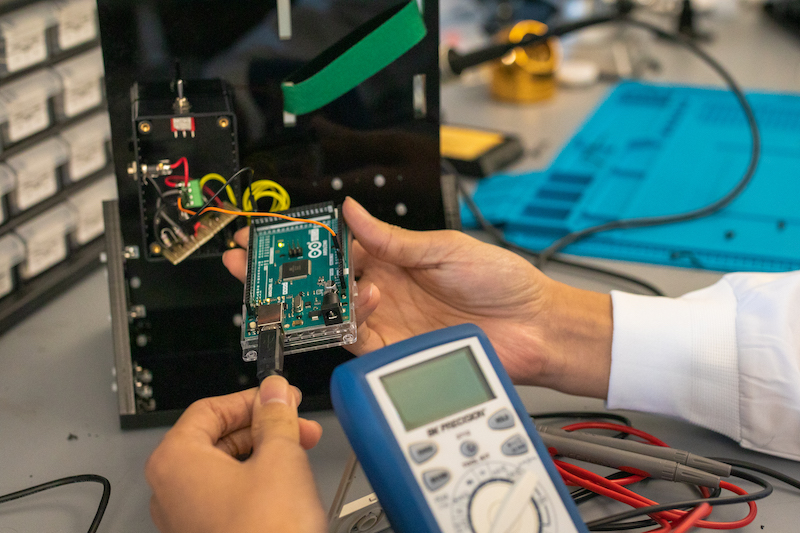
- Electronics lab and teaching space
- 191,000 gross square feet
More Engineering Facilities
Texas BME students have access to innovative makerspaces like Texas Inventionworks and startup incubators like Texas Innovation Center both housed in the engineering hub of EER.
In addition to other collaborative buildings that house our college's seven engineering departments, the Cockrell School of Engineering and UT Austin campus are teeming with many more facilities waiting to be explored.
The Department of Biomedical Engineering provides a number of resources for faculty, staff and students to aid in research, academics, communications and more.
Have a question?
Visit the Staff Directory for individual contacts or to view our shared resources email directory.

Biomedical engineering is the bridge between the worlds of engineering and health care through a fusion of science, medicine and technology. It uses engineering design principles to solve problems in biology and medicine, with the goal of improving health care and advancing medical research.
Researchers in this field design innovative medical devices, create life-saving diagnostic tools and develop cutting-edge therapies to combat or cure diseases. Biomedical engineers push the boundaries of what's possible in medicine, constantly innovating to improve patient care and quality of life by designing artificial organs and tissues, creating drug delivery devices, developing innovative imaging techniques utilizing MRI, CT scans and artificial intelligence, or creating new diagnostic tools and treatments.
Biomedical engineering is an ideal degree for people who have a passion for medicine but also enjoy applying the design principles and quantitative analysis that comprise engineering. The ultimate common goal of biomedical engineering is to help people live longer while feeling better.
If you're fascinated by both science and technology and you have a passion for making a difference in people's lives, biomedical engineering is the perfect field for you. It's a challenging and rewarding path that offers endless opportunities for creativity and impact.
Our Research Areas
Explore the Department of Biomedical Engineering (BME) research areas and the faculty who champion that research.
- Biomaterials
- Biosensors and Instrumentation
- Cell and Tissue Engineering
- Computational Biomedical Engineering
- Drug Discovery and Delivery
- Imaging and Image Guided Interventions
- Multiscale Biophysics and Biomechanics
- Neuroengineering
Hear From Our Students
Join Texas BME students as they talk about their biomedical engineering projects, experiences and what biomedical engineering means to them.
Chair’s Office
(512) 471-3604
Undergraduate Office
(512) 471-4254
Graduate Office
(512) 475-8500
Main Fax
(512) 471-0616
U.S. Mailing Address
Department of Biomedical Engineering
The University of Texas at Austin
107 W Dean Keeton Street Stop C0800
Austin, TX 78712
Campus Express Mailing Address
UT Austin, Dept of Biomedical Engineering
Biomedical Engineering Bldg (BME) Room 3.314
107 W. Dean Keeton Street
Austin, TX 78712

Mission
The mission of the Department of Biomedical Engineering is to develop clinically translatable solutions for human health by training the next generation of biomedical engineers, cultivating leaders, and nurturing the integration of science, engineering, and medicine in a discovery-centered environment.
Vision
The Department of Biomedical Engineering's vision is to be the premier biomedical engineering platform in the world, based on the excellence of our people, our innovative multidisciplinary and enabling research, and our discovery-centered educational programs. We strive to pioneer the transfer of biomedical engineering research into applications and training that will advance, improve, and expand access to health care throughout Texas and the world.
Strategic Plan
The Department of Biomedical Engineering is a world-leader in biomedical research and education. We aspire to fuel the growth and evolution of the health care ecosystem locally and regionally through innovative research, cultivation of entrepreneurs and thought leaders, and training a thriving workforce. This five-year plan lays out the following strategic priorities we will pursue to meet the critical moment:
- Expand our research portfolio
- Develop new industry relationships
- Diversify course offerings and training opportunities
- Amplify interdisciplinary research and education
Examples of this success include but are not limited to:
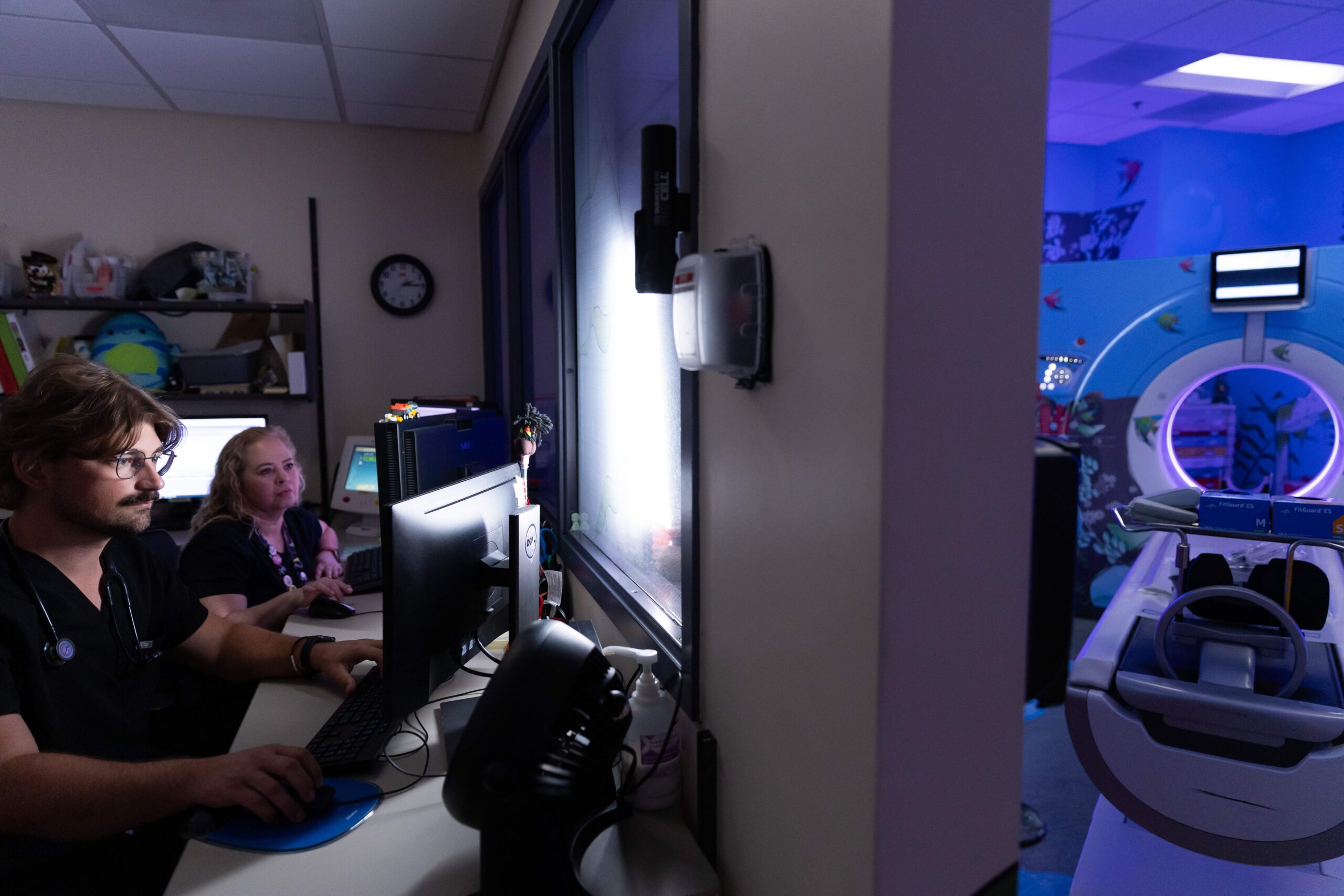
- Increasing the number of students exposed to the clinical environment: Partner with Dell Medical School to provide more opportunities for students to spend time with clinicians in the hospital learning where health care innovations are needed.
- Enhancing Research Infrastructure: Increasing the availability and capabilities of biomedical research core facilities.
- Fostering Innovation: Boosting the number of patents and invention disclosures emerging from our research.
- Securing Funding Excellence: Increasing the volume of grants that support impactful training and research programs.
- Advancing Experiential Learning: Raising the number of students completing valuable internships or externships.
Pioneering Progress
Founded in 2001, The Department of Biomedical Engineering marked a significant milestone as the first new department in the Cockrell School of Engineering in six decades. The launch was another leap forward in the tradition of innovation and excellence that brings the brightest minds to the Forty Acres.


Continued Growth
We welcomed our inaugural class of 120 undergraduate students in 2002. Since then, our department has evolved to educate more than 500 undergraduate students annually, with a rich program history to boot.
Our pursuit of cutting-edge research and innovation matches our commitment to high-quality education. Our journey began with a relocation from a single-floor space in the engineering sciences building to the biomedical engineering building in 2008. This facility is not just a structure but a catalyst for modernization.
It features world-class laboratories and equipment that propel our understanding of human health, improve health care delivery and enhance our capacity for groundbreaking research. We expanded our faculty to more than 25 dedicated scholars who are some of the most renowned experts in their field, fueling unprecedented growth across our research portfolio from four to eight areas of excellence.
This growth is not just in size but in impact, creating smarter solutions for the most challenging medical conditions while addressing inequities in access to health care. We have a convergence of extraordinary students, faculty and staff talent across the Cockrell School of Engineering, along with researcher-physician partnerships in the Dell Medical School and MD Anderson Cancer Center. Health care technology companies are eager to commercialize our translational research in partnership with passionate and competitive donors who are ready and willing to fund our innovative work.
As we approach our 25th anniversary as a department, we set our sights on the future. We strive to pioneer the transfer of new discoveries and innovations into applications and training that will advance, improve, and expand access to health care throughout Texas and the world. The strategic plan outlined in this document will guide the investment of capital, talent and resources into academic and research initiatives inspired by our overarching vision.
Strategic Objectives

Expand the department’s research portfolio
We must continue to push the boundaries in discovery and innovation to have the greatest impact on the practice of and access to medicine. This can be achieved by hiring scholars in emerging areas of biomedical and health care research, accruing and committing resources to support new research ventures, and establishing funded centers/institutes that empower multidisciplinary teams working on solutions for the grandest challenges in the biological sciences and health care.

Build new and strengthen existing relationships with medical institutions, industry, and government agencies
These strategic partnerships will fuel new areas of research and pave the way for clinical translation and commercialization of technologies and methodologies originating in the department.

Diversify course offerings and expand training opportunities within the department
Providing more academic and training opportunities will better prepare our students to advance medicine and pioneer new and transformational medical technologies.

Amplify the capacity to support high-quality interdisciplinary research, education and training programs
The acquisition of financial, human and technical resources and expertise will enable the department to implement interdisciplinary training programs, broaden our academic curriculum and establish cross-disciplinary research centers.

The Department of Biomedical Engineering is located in the Biomedical Engineering Building (BME) on the southeast corner of University and Dean Keeton.
Visiting The University of Texas at Austin
- Visiting Campus
- Family and Visitor Resources
- Visiting the Cockrell School of Engineering
- Information for Parents
- AT&T Executive Education and Conference Center
Parking & Maps
The Speedway Garage (SWG) and the 27th Street Garage (TSG) are the closest parking garages to the Biomedical Engineering Building (BME). Other parking garages are also available on the UT Austin campus.
Staff Directory Article Count: 3
Upcoming Events
Thursday, January 15
Dr. Jeffrey Siewerdsen, Professor at the University of Texas MD Anderson Cancer Center,
3:30PM - 5:30PM
News
UT Professor Michael Sacks Named Recipient of the 2026 H.R. Lissner Medal for Contributions to Heart Valve Simulations
Oden Institute | Professor Michael Sacks, a biomedical engineering faculty member at The University of Texas at Austin, has been awarded the 2026 ASME H.R. Lissner Medal in recognition of his “pioneering contributions to heart valve biomechanics utilizing highly innovative computer simulations.”
Three New Cancer Projects Receive Funding in Joint Collaboration Between Oden Institute, MD Anderson and TACC
Oden Institute | The University of Texas MD Anderson Cancer Center, the Oden Institute for Computational Engineering and Sciences, and the Texas Advanced Computing Center (TACC) at The University of Texas at Austin have announced funding for three cancer research projects as part of the Joint Center for Computational Oncology (JCCO).
Heart Rhythm Treatment Gets Breakthrough FDA Designation
Cockrell School of Engineering | A startup co-founded by Texas Engineer Elizabeth Cosgriff-Hernández is one step closer to bringing a new medical device to cardiac clinicians and patients worldwide.
Research Areas
-
Biomaterials
A wide range of fundamental Biomaterials approaches is actively explored for regenerative and...
-
Biosensors and Instrumentation
The development of advanced biosensors and Instrumentation is a focal point for several of our...
-
Cell and Tissue Engineering
The University of Texas at Austin Department of Biomedical Engineering is a hub of pioneering...
-
Computational Biomedical Engineering
Computational Biomedical Engineering harnesses the world-class computational facilities at UT...
-
Drug Discovery and Delivery
Integrating engineering principles with biomedicine, our faculty specialize in developing...
-
Imaging and Image-Guided Interventions
The field of biomedical imaging employs physics, mathematics, computational science, and...
-
Multiscale Biophysics and Biomechanics
While helping patients is the ultimate goal of biomedical engineering, faculty in our department...
-
Neuroengineering
Neuroengineering is a growing area that develops methods to improve neurological health and...
Spotlights
Discover what's happening at Texas BME